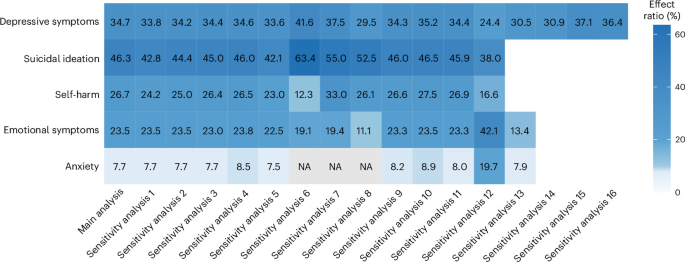

Governments across the globe are moving swiftly to disconnect teenagers from the digital world, sparking a massive international experiment in youth mental health. Australia led the charge by banning social media for those under 16, followed closely by Indonesia and a nuanced set of restrictions within the European Union. In the United States, the battle has shifted toward the courts, where Meta recently agreed to an 18 billion dollar settlement over claims that its platforms harmed children. While tech giants are introducing safety features like hiding like counts, critics wonder if these cosmetic tweaks can truly counteract the deep systemic impact of algorithmic feeds on developing minds.
However, initial data suggests that laws alone may not be enough to break the spell of connectivity. Early reports from Australia indicate that age verification remains a significant hurdle, with a vast majority of banned children still finding ways to bypass security measures. Behavioral economists note that peer pressure plays a dominant role; many teens admit they would happily quit social media if they believed their friends had done so too. This gap between legislation and reality means that policymakers cannot simply pass a law and assume the problem is solved. Implementation is proving to be just as complex as the psychological issues the bans aim to fix.
Researchers argue that measuring success requires looking far beyond simple screen time metrics. Because nearly half of all mental health struggles emerge before adulthood, there is an urgent need for independent studies to determine if removing apps actually improves well being or merely creates new voids. Experts emphasize that there is no universal social media effect. A ban might benefit one teenager by improving their sleep patterns while isolating another who relies on online communities for identity support, particularly among LGBTQ+ youth or those in rural areas.
As countries like the United Kingdom prepare their own restrictions for 2027, a shift in perspective is emerging from the teenagers themselves. Young people involved in research design suggest that adults are asking the wrong questions. Rather than debating whether social media is inherently good or bad, they want researchers to examine what replaces it. The real test will not be whether kids stop scrolling, but whether they fill that reclaimed time with outdoor hobbies and face to face friendships or drift into even less regulated corners of the internet. The goal is no longer just reducing harm, but discovering which environments actually allow adolescents to thrive.