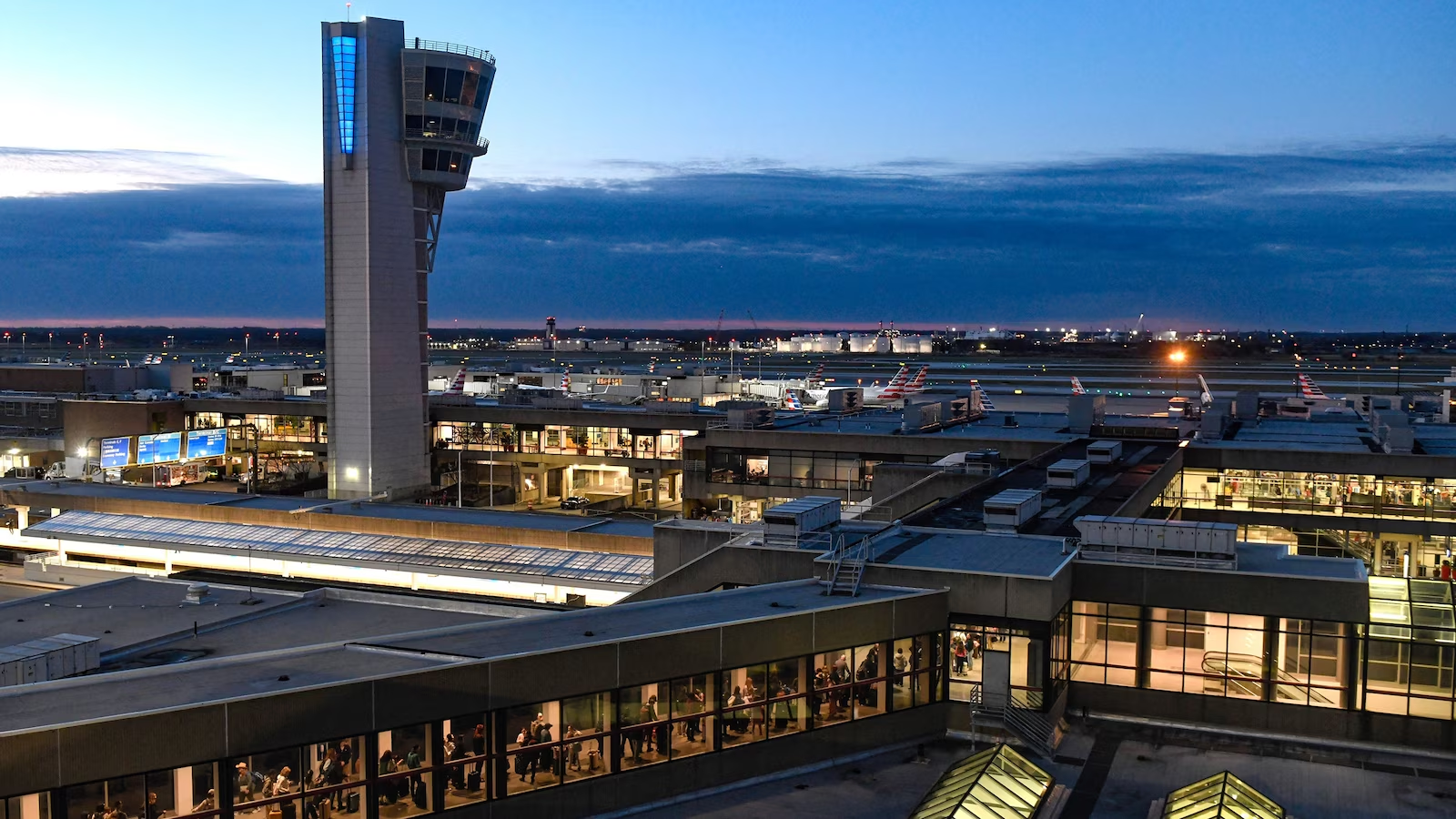
Philadelphia health officials issued a warning over the weekend after a second potential measles exposure hit the city, this time centered at Philadelphia International Airport. The alert follows a separate incident involving the Children’s Hospital of Philadelphia, though authorities clarified that these two events are unrelated. According to the Philadelphia Department of Public Health, an infected individual moved through Terminals B and F, along with connecting corridors in Terminals C, D, and E, between late evening on September 13 and shortly after midnight on September 14. Officials noted that the person was merely passing through the facility and never actually left the airport grounds.
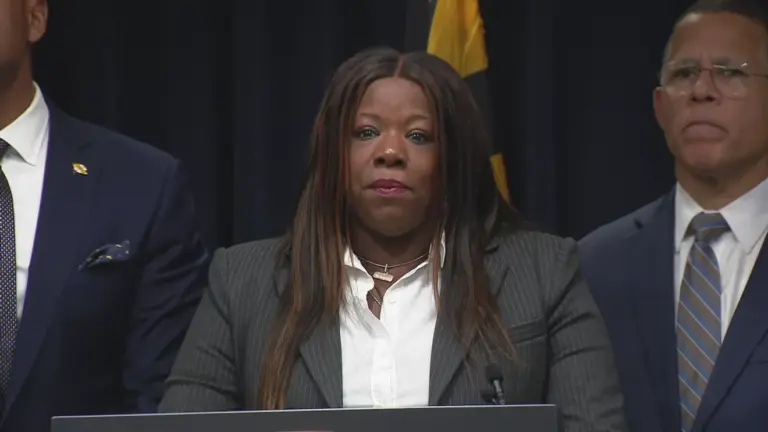
Dr. Palak Raval-Nelson, the city’s health commissioner, emphasized that while the situation warrants caution, there is little cause for alarm among those who are fully vaccinated. She stressed that keeping up with immunizations is not just about personal safety but is critical for protecting the most vulnerable members of the community. This push for vaccination comes as Pennsylvania grapples with a significant spike in infections, recording 767 cases so far this year. The trend has taken a serious turn with 150 hospitalizations and four deaths linked to the virus within the state.
The surge in Philadelphia mirrors a broader national crisis, as measles cases have topped 3,000 across 45 states and Washington, D.C., throughout 2026. State health data reveals that Pennsylvania hasn’t seen this level of mortality since 1992, signaling a worrying regression in public health stability. Experts point toward sliding vaccination rates as a primary driver of these outbreaks; current figures show kindergarten MMR vaccination rates have dipped below pre-pandemic levels, falling from over 95 percent in 2019 to roughly 92 percent today.
To combat the spread, the CDC maintains its recommendation for a two-dose series of the MMR vaccine given during early childhood. While a single dose provides strong protection, completing both shots increases effectiveness to approximately 97 percent. With travel hubs like PHL acting as conduits for transmission, health departments are urging residents to check their records and ensure they are protected against what remains one of the world’s most contagious diseases.